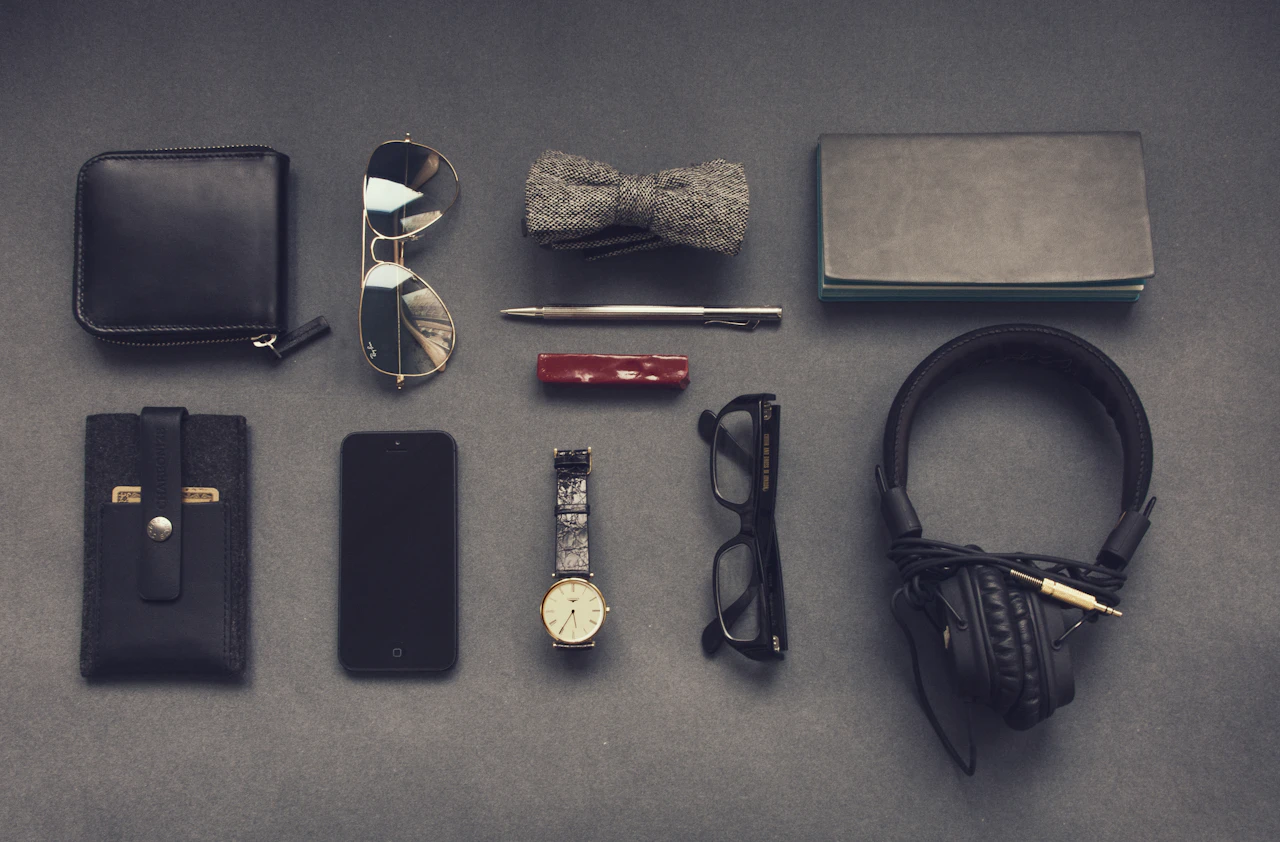
Men’s outerwear has never been more expressive. The right jacket can sharpen your silhouette, but the real style upgrade happens when you add the right jewelry and accessories with intention. Whether you’re building a clean streetwear look around a bomber or elevating a wool topcoat for dinner, the goal is the same: make every piece look chosen, not accidental. This guide breaks down how to pair necklaces, pins, watches, brooches, bags, scarves, and even small hardware details with different jacket types so your jewelry pairing feels balanced, modern, and wearable. If you’re also refining your broader wardrobe strategy, our guides on shopping smart for outerwear and practical travel gear are useful companions.
1. The Core Styling Rule: Let the Jacket Set the Scale
Why scale matters more than “matching”
Most men make the same mistake: they pick great pieces individually, then wear them together without considering proportion. A chunky chain under a slim bomber can feel heavy and crowded, while a delicate pendant under a thick overcoat can disappear completely. The jacket dictates visual scale, because it creates the largest frame around the upper body and controls how much of your jewelry is visible. That means your first decision isn’t the necklace or watch — it’s the outerwear silhouette and neckline.
Think in three dimensions: thickness, opening, and texture
Outerwear has three styling variables that affect jewelry: thickness, neckline opening, and surface texture. Smooth, structured jackets like leather bombers and denim truckers can handle sharper jewelry with more presence. Soft, voluminous coats like puffers and wool overcoats need either stronger statement pieces or very intentional minimalism so the look doesn’t flatten. Texture also matters because a brushed wool coat, a nylon shell, and a matte suede jacket all reflect light differently, changing how metals and stones read in daylight.
Start with one focal point, not five
The strongest looks usually have a single hero detail. If the jacket is bold, keep the jewelry restrained; if the coat is plain, you can bring in a more noticeable necklace, brooch, or watch. This approach creates balance and keeps the outfit from drifting into costume territory. A useful mental model is to treat accessories like punctuation: one exclamation point is stylish, three can become noisy.
Pro Tip: When in doubt, choose one statement accessory and two quiet supporting pieces. That formula works across almost every jacket category, from milestone jewelry to everyday watches.
2. Necklace Pairing by Jacket Type
Bomber jackets: short chains, clean pendants, and neckline control
Bombers are inherently sporty and compact, which makes them ideal for jewelry that sits close to the body. A short to mid-length chain works best because it stays visible without fighting the jacket hem or collar line. If you wear the bomber zipped up, a pendant should be small enough to peek through the collar rather than hang heavily on top of it. For streetwear outerwear, this is where a single chain with a textured tee underneath delivers more impact than layering multiple necklaces.
Leather jackets: lean into edge, but keep metal consistent
Leather naturally adds visual weight, so your necklace should either echo that toughness or intentionally contrast it. Silver chains, dog tag-inspired pendants, and minimalist lockets all work well, but try to keep the chain thickness aligned with the jacket’s hardware. If the zippers, snaps, and buckles are silver-toned, mixing in yellow gold can look visually disconnected unless the rest of your accessories intentionally bridge the two metals. For more on the “mixed” accessories mindset, the logic behind modern maximalism in fashion jewelry trends is a helpful reference point.
Denim jackets: casual layering without visual clutter
Denim jackets are versatile because their rugged, familiar texture makes them easy to style with both classic and contemporary jewelry. Fine chain necklaces, medallions, and subtle beaded strands can all work, but avoid letting the necklace compete with heavy topstitching or collar details. If you’re layering over a hoodie or sweatshirt, a longer necklace can help create vertical lines and prevent the look from feeling boxy. This is especially effective in cooler-weather outfits where you want your outfit layering to feel relaxed rather than bulky.
Overcoats: go longer, cleaner, and more intentional
Overcoats are the most elegant jackets in this guide, and the jewelry should respect that formality. Long necklaces are only effective if the coat is worn open and the inner layer has enough neckline depth to reveal them. Otherwise, the accessory is mostly wasted, and a refined watch or lapel pin often looks sharper. If you want a necklace with jacket styling that feels elevated rather than trendy, keep the metal finish polished and the pendant shape architectural, not novelty-driven.
3. Watches: The Most Reliable Anchor Accessory
Choose watch size based on sleeve volume
A watch is often the easiest accessory to wear with men’s jackets because it works even when it’s partially hidden. But sleeve volume changes how visible the watch appears. A slim field watch can disappear under a heavyweight coat cuff, while a 42mm sports watch may feel overbuilt under a tailored sleeve. Match the watch’s case size and strap width to the jacket’s visual density, so the accessory feels proportionate instead of overpowered.
Strap material should respond to the jacket
Leather straps read more polished and pair naturally with overcoats, wool coats, and refined bombers. Metal bracelets are stronger stylistically and work well with leather jackets, denim jackets, and technical outerwear. Fabric or rubber straps can look modern with utility-inspired jackets, but make sure they don’t clash with premium fabrics like cashmere or brushed wool. When your jacket leans technical, it also helps to think like a buyer comparing performance and finish, similar to how shoppers evaluate value in deal verification guides.
Use the watch as a bridge between metals
If you want to wear both silver and gold in one outfit, the watch can act as the connector. A two-tone watch, or a watch with a neutral black leather strap, can tie together mixed metals elsewhere in the look. That matters especially when your jacket has obvious hardware, because the eye naturally reads the watch as part of the outerwear system. In other words, the watch should not just tell time; it should help unify the outfit’s material language.
4. Pins, Brooches, and Jacket Hardware: Small Details With Big Impact
Lapel pins work best on structured coats and blazers
Lapel pins and brooches are among the most underused styling tools in men’s outerwear. They work especially well on wool overcoats, double-breasted coats, and tailored jackets because those garments have enough surface area to support a small focal point. Keep the placement slightly off-center or aligned with the lapel shape so the piece looks intentional and not like a badge. A single pin can give a plain coat personality without making the outfit feel overly styled.
Decorative pins should echo the coat’s mood
Choose your pin by mood, not just by color. Minimal enamel pins fit modern urban looks, while vintage-inspired or sculptural pieces suit dressier outerwear. If your jacket already has strong details — epaulettes, contrast stitching, a dramatic collar, or bold buttons — then the pin should be subtle. On the other hand, a plain navy overcoat can support a more expressive brooch with texture, color, or a heritage feel.
Respect the jacket’s existing hardware
Many jackets already have visual elements that function like accessories: zippers, snap buttons, buckle belts, exposed seams, or branded pulls. The more hardware the jacket has, the more disciplined your jewelry and pins should be. A moto jacket with polished hardware may not need a brooch at all, while a clean wool coat can benefit from one. If you’re deciding whether to add another detail, ask whether it improves the line of the jacket or simply adds noise.
5. Material Coordination: Metals, Fabrics, and Finish
Match polish to polish, matte to matte
Material coordination is where a good outfit becomes a great one. High-shine metals tend to look best with polished jackets like leather, satin, or technical shells with a smooth finish. Brushed metals, oxidized silver, or antiqued brass feel more at home with wool, suede, or washed denim. This isn’t about strict rules; it’s about making sure the jewelry looks like it belongs in the same visual world as the jacket.
Don’t ignore fabric weight
Heavy fabrics can absorb detail, which means small jewelry may fade away unless it has strong contrast. Lightweight fabrics, meanwhile, can be overwhelmed by oversized accessories that dominate the frame. A wool topcoat wants a more substantial chain or a defined lapel pin, while a lightweight overshirt or coach jacket usually looks cleaner with a finer chain and simpler watch. The best styling tip is to let fabric weight guide accessory weight in the same way good shopping decisions are guided by context, not hype — a principle echoed in smart deal shopping and clearance strategy.
Texture mixing should feel deliberate
Mixing textures can make an outfit richer, but only if there is a clear anchor. For example, a matte silver chain with a brushed wool coat and leather boots feels cohesive because the materials share a muted tone. A polished signet ring can balance a rough denim jacket because the contrast feels intentional. If all the textures are loud at once — distressed denim, shiny chain, lacquered watch, glossy shoes — the look can tip from styled to overworked.
6. How to Style Accessories With Specific Jacket Archetypes
Streetwear outerwear: bombers, puffers, and coach jackets
Streetwear outerwear needs accessories that feel easy, contemporary, and a little nonchalant. With bombers and coach jackets, one necklace or chain is often enough, and a cap or tote can finish the look without overloading it. Puffers are trickier because the jacket itself is so voluminous, so you usually want either a visible chain at the collar or a watch plus ring combination rather than too many layered pieces. If you’re putting together weekend looks or city outfits, think in terms of comfortable utility the way people do when choosing from travel gear or business-travel essentials.
Leather and moto jackets: precision over abundance
Leather jackets already communicate confidence, so your jewelry should reinforce that mood rather than fight it. A pendant that lands just below the open placket can look powerful, especially if the tee beneath is plain and fitted. If you add rings or a bracelet, keep the watch restrained so the accessories don’t compete. The goal is to create one strong line from shoulder to chest, then let the jewelry sharpen that line rather than break it apart.
Wool coats and trench coats: elegance with subtle drama
Coats are ideal for more refined accessories because their length and tailoring create a sophisticated frame. A brooch on the lapel, a slim chain in the opening, and a clean leather-strap watch can be more effective than any loud statement piece. Trench coats also work beautifully with minimalist jewelry because the coat’s belt, collar, and long silhouette already offer plenty of design. If you want to push the look a little further, consider a single sculptural ring or a heritage-inspired pin to give the outfit a sense of personality.
Workwear jackets and overshirts: functional, not fussy
Workwear jackets are built on utility, so accessories should feel practical and understated. Think of brushed metal, simple chains, canvas bags, and watches with readable dials. A brooch may feel too precious unless the outfit is intentionally high-low, but a small enamel pin or understated pendant can work. This is a good category for men who want to start experimenting, because the texture of the garment softens the impact of jewelry and makes styling mistakes less visible.
7. Building Outfits Around Necklaces With Jackets
Short chains for open collars
A necklace with jacket styling works best when you first decide how much skin or shirt fabric will be visible. Short chains shine with open collars, zip-neck sweaters, and tees because they stay in the frame without sliding too low. This is ideal under bombers, leather jackets, and overshirts, where you want the necklace to complement the neckline rather than disappear. When the jacket is open, the necklace becomes a central visual line, so choose a chain that feels sturdy enough to hold attention without taking over.
Longer necklaces for vertical balance
Longer necklaces help break up blocky silhouettes, especially when you’re wearing heavier jackets or layered knits. They can lengthen the torso visually and create movement under a coat that might otherwise feel static. That said, long necklaces work best when the jacket is worn open; otherwise, they can bunch, twist, or vanish into the garment. If you’re unsure, try the outfit in front of a mirror while moving your shoulders and arms — the best piece is the one that stays visible in real life, not just in a still photo.
Layering two necklaces without overdoing it
Two-chain layering can look stylish if the lengths are clearly separated and the chains share a common metal tone or design language. A fine shorter chain paired with a slightly heavier longer chain is usually the safest combination. Avoid stacking multiple pendants unless the jacket is exceptionally simple, because too many focal points can distract from the overall outfit. For shoppers who like to plan looks around occasions, the styling logic is similar to comparing options in seasonal wardrobe timing and event dressing: context determines how much statement is appropriate.
8. Color, Skin Tone, and Metal Choice
Use metal color as a styling tool, not a rule
Gold, silver, blackened steel, and mixed metals all have different energies, but none is universally better. Silver often feels cooler and more modern, especially with black jackets, navy outerwear, and technical fabrics. Gold reads warmer and more luxurious, which can be particularly effective with camel coats, brown leather, and olive outerwear. Blackened metals are understated and edgy, making them especially useful when you want the accessory to blend into a dark look rather than stand out.
Coordinate with undertones and outfit temperature
If you have warm undertones and often wear earth-toned jackets, gold may feel naturally integrated. If your wardrobe leans monochrome, silver can create crisp definition. But the most important factor is the outfit’s temperature: warm fabrics and earthy palettes often pair well with warm metals, while icy colors and glossy textures tend to favor silver or gunmetal. A good way to think about it is the same way thoughtful shoppers compare value and presentation in accessories and other purchase decisions — the best choice is the one that suits the system around it.
Let one metal dominate
Mixed metal styling can be effective, but only when it looks curated. If your jacket has silver zippers and your watch is gold, consider using a neutral ring or shoe hardware to bridge the gap. Otherwise, make one metal the dominant tone and keep everything else supportive. This is especially important in outerwear, where the jacket already adds a large block of color and texture, so mixed accessories need to work harder to feel cohesive.
| Jacket Type | Best Necklace Length | Best Watch Style | Best Pin/Brooch Option | Material Direction |
|---|---|---|---|---|
| Bomber jacket | Short to mid-length | Sport or minimal metal | Usually skip, or tiny pin | Silver, black, polished steel |
| Leather jacket | Short chain or pendant | Metal bracelet or clean leather strap | Optional subtle pin | Silver, gunmetal, aged brass |
| Denim jacket | Mid-length layered chain | Casual leather or canvas strap | Small enamel pin works well | Matte silver, oxidized metal |
| Wool overcoat | Longer chain if worn open | Refined leather strap | Brooch or lapel pin | Gold, brushed silver, pearl accents |
| Technical puffer | Visible short chain only | Durable sport watch | Skip unless very minimal | Black, titanium, matte finishes |
9. Practical Styling Formulas You Can Copy Today
Formula 1: Clean streetwear
Start with a bomber, straight-leg jeans, a plain tee, and white sneakers. Add a short silver chain, a simple watch, and no more than one ring if you want extra shine. This look works because the jacket does most of the heavy lifting, while the jewelry adds a quiet layer of intention. It’s a strong everyday formula if you want to look current without chasing trend fatigue.
Formula 2: Elevated city layering
Use a wool overcoat over a fine-knit sweater, trousers, and leather shoes. Add a small brooch or lapel pin, a leather-strap watch, and a subtle chain only if the coat will remain open. This combination feels polished and mature, and it’s the kind of outfit that can move from daytime meetings to dinner without looking overworked. For anyone refining their polished wardrobe, the thinking here resembles the balance and planning behind business travel style and intentional packing.
Formula 3: Rugged weekend look
Pair a denim jacket or workwear overshirt with a heavier tee, boots, and a vintage-style watch. Add a chain that sits mid-chest and keep the rest simple, allowing the texture of the jacket to frame the jewelry naturally. This is an easy way to look styled on casual days, especially if your goal is practical outerwear that still feels personal. The best version of this outfit avoids too many accessories and instead focuses on one or two strong, readable details.
10. Common Mistakes and How to Avoid Them
Over-accessorizing the chest area
The most common error is crowding the same zone with too many pieces: chain, pendant, brooch, unbuttoned collar, patterned shirt, and jacket hardware all competing for attention. The chest can become visually cluttered fast, especially under shorter jackets. If your jacket already has texture or structure, simplify the area beneath it and let one detail lead. One focal point is usually enough to create style; excess often weakens the effect.
Ignoring jacket closures and movement
A necklace may look perfect standing still but fail once you zip the jacket, sit down, or remove a layer. Jackets are dynamic garments, so accessories need to be tested in motion. That means checking where the necklace lands when you move, whether the watch catches on cuffs, and whether a pin shifts your jacket fabric awkwardly. A style choice is only good if it survives the real routine of wearing it.
Choosing accessories that don’t fit your lifestyle
Not every accessory belongs in every environment. If you commute, travel, or work in active settings, choose jewelry and watches that are low-maintenance and durable. Fragile chains, oversized brooches, and delicate clasps can look great, but only if you’ll actually wear them confidently. Think of this as choosing gear for the life you lead, not the life you imagine for one evening.
11. How to Shop for the Right Pieces Without Regret
Buy for repeat wear, not novelty
The best accessories are the ones you can wear with multiple jackets across seasons. Before buying, picture the piece with your bomber, overcoat, denim jacket, and leather jacket. If it only works with one highly specific outfit, it may be more trend than investment. A repeatable accessory wardrobe gives you far more styling freedom than a drawer full of one-off pieces.
Check materials, closures, and finish quality
Quality matters because accessories sit close to the body and endure lots of friction. Inspect necklace clasps, watch straps, pin backs, and brooch fastenings, especially if you plan to wear them with heavier outerwear. This is similar to how careful buyers evaluate a product beyond the headline price: details like finish, durability, and usability are what make the purchase worthwhile. If you’re building a smarter shopping habit overall, a guide like this buyer’s checklist mentality translates well to jewelry and accessories too.
Try before you commit to a signature look
Instead of locking into one aesthetic immediately, test a few combinations at home under natural light. Wear the same jacket with a short chain one day, a longer chain another day, and a pin the next. You’ll quickly see which combinations flatter your proportions and which feel forced. That experimentation phase is where your personal style becomes repeatable and confident, rather than aspirational but impractical.
Pro Tip: If an accessory looks good in the mirror but disappears in photos, it’s probably too small for the jacket. If it dominates both, it may be too large for your frame.
12. Final Styling Checklist: The 30-Second Test
Check proportion first
Stand back and ask whether the accessory matches the weight of the jacket. A leather jacket usually needs more edge, while an overcoat often needs restraint. If the jewelry feels too delicate or too bulky, adjust the scale before leaving the house. Proportion is the foundation of good styling, and once it’s right, everything else becomes easier.
Check material harmony second
Look at hardware, metals, and fabric finish together. Are the metals consistent or intentionally mixed? Does the jewelry look polished next to polished, or matte next to matte, in a way that makes sense? This step usually reveals whether an outfit feels cohesive or just assembled. When the finish language is aligned, the whole look reads more expensive and more deliberate.
Check your focal point last
Ask yourself what the eye should notice first. If the answer is “everything,” the outfit needs editing. A great outfit should have a clear visual hierarchy, with the jacket framing the accessories and the accessories supporting the outfit’s mood. That’s the difference between wearing jewelry with a jacket and truly styling the two together.
Frequently Asked Questions
Can you wear a necklace with a jacket zipped up?
Yes, but the necklace needs enough room to be visible. Short chains or small pendants can work if they sit above the zipper line or at the jacket opening. If the jacket is fully zipped and high-necked, a necklace may disappear, so a watch or ring may be the better accessory choice.
What jewelry works best with men’s bombers?
Bombers pair well with short chains, small pendants, and minimal watches. Because bombers have a compact shape, oversized or layered jewelry can crowd the neckline. Keep the look close to the body and let the jacket’s clean silhouette stay in focus.
Should brooches be worn on men’s jackets?
Absolutely. Brooches and lapel pins can look excellent on wool coats, structured jackets, and even some blazers. The key is choosing the right scale and placing it with purpose so it feels like a design choice, not decoration for its own sake.
Can you mix gold and silver accessories with outerwear?
Yes, mixed metals can look modern if there’s a visual bridge such as a two-tone watch, neutral shoe hardware, or a jacket with mixed-tone detailing. If you’re new to the look, keep one metal dominant and use the other sparingly.
What’s the easiest jacket type for styling jewelry?
Denim jackets and bomber jackets are usually the easiest starting points. Their casual structure makes them forgiving, and they work well with simple chains and clean watches. Overcoats can be more elegant, but they require slightly more attention to proportion and material harmony.
Related Reading
- The Best Jewelry Gifts for Milestone Moments - Useful if you want to build a versatile men’s jewelry collection from scratch.
- Opulence Returns: What London Fashion Week’s Maximalism Means - A deeper look at statement styling and how bold details are becoming mainstream.
- Best Travel Gear That Helps You Avoid Airline Add-On Fees - Great for practical, stylish packing strategies that translate into outerwear choices.
- Clearance Shopping Secrets: How to Score Deep Discounts Year-Round - Smart buying tactics for outerwear and accessories.
- West Coast Business Trips: Why the Atmos Rewards Card Is a Secret Weapon - Helpful for men who want style that travels well.
